Wool as a fiber offers unique properties valuable for bedding and comfort products. It is naturally breathable, moisture-wicking, and temperature regulating, helping to maintain a cool feel in warm weather and warmth in cooler conditions. In the context of pillows and sleep accessories, wool contributes to ergonomic support while promoting hygiene through self-cleaning tendencies and natural resistance to odors.
The Wool category highlights materials derived from high-quality wool fibers used in pillow components and related bedding accessories. Key characteristics include elasticity, resilience, and the ability to retain loft, which supports proper spinal alignment. When paired with compatible pillow cores and covers, wool enhances overall sleep quality by balancing comfort and support.
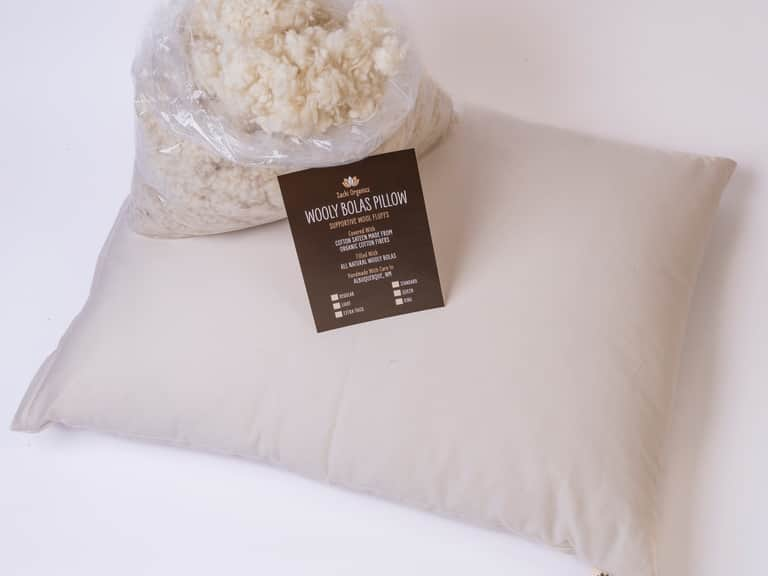
Among notable products, the Wooly Bolas Pillow demonstrates the practical benefits of wool-enriched design. Its features may include a wool blend cover for temperature regulation, a supportive core to sustain neck and head position, and ease of maintenance. Functional benefits center on moisture management, allergy-friendly materials, and long-term durability.
Understanding wool’s role in sleep products involves recognizing how fiber structure influences feel and performance. The natural crimp and elasticity of wool contribute to a soft yet supportive surface, while its inherent flame retardancy and low allergen potential support safer, more comfortable use in bedding environments. Proper care maintains loft and hygiene over time.
In educational terms, wool-based bedding intersects with broader sleep science goals, including temperature regulation, pressure distribution, and material longevity. For those considering bedding ecosystems, wool integrates with complementary items such as natural sheets and breathable pillow covers, offering a sustainable option with practical functional benefits for memory foam pillows, latex, and other core materials.
 Bedding